How To Get Pre-Seed Funding For Your New Business Idea?

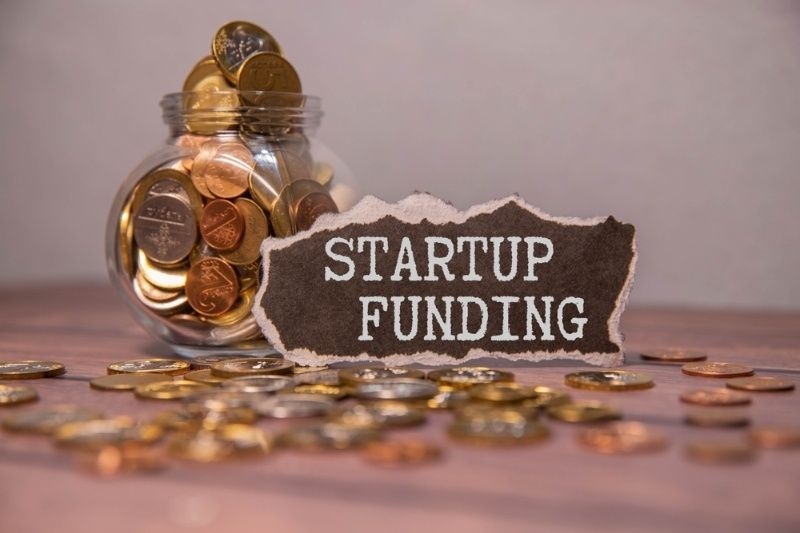
Building a brand-new company from scratch is a very big job for anyone. Most people start with just an idea and a laptop in a garage. This is where pre-seed funding comes into play to help things get moving. Many founders ask, "What is pre-seed funding?" and how it helps them hire their first helper or build a basic version of their product. When looking at pre-seed funding for startups, it is the earliest money a business ever gets. Usually, this cash comes before the company even has many customers or a finished app.
Understanding How Pre-Seed Funding Works For Founders
Before a company becomes famous, it needs a little bit of fuel to start the engine. Pre-seed funding is that fuel. It is the money used to prove that an idea can actually work in the real world. Here's the thing about this stage—it is all about the people and the vision. Investors are not looking at big spreadsheets of profits yet because there aren't any. Instead, they look at the team and see if they are smart and hardworking.
What this really means is that founders spend this money on very basic things. They might use it to pay for a website or to buy some parts for a prototype. It is a risky time for everyone involved because the business is just a baby. Most of the time, the people giving the money are friends, family, or "angel" investors who like to take chances on new ideas. Without this early support, most big companies we use today would never have started at all.
Recommended Article: Building Positive Sales Culture: Strategies for Success
What Is The Difference Between Seed and Pre-Seed, Really?
It can be a bit confusing to keep all these names straight when you are just starting out. When people ask, "What is the difference between seed and pre-seed?" They are usually talking about how far along the company has traveled. Think of it like a garden. The pre-seed stage is when you are still buying the dirt and the pots. You are just getting ready to plant something.
- Development Stage: In pre-seed, you are building the product. Indeed, the product is usually done, and you are trying to find more users.
- Hiring Needs: Pre-seed money helps the founders quit their day jobs. Seed money helps them hire a whole team of five or ten people.
- Risk Levels: Pre-seed is much riskier because you don't know if anyone will even like what you are making.
- Investment Sources: Pre-seed often comes from people you know. Seed money usually comes from professional groups called venture capitalists.
Knowing what the difference is between seed and pre-seed? helps a founder talk to the right people. You don't want to ask a giant bank for pre-seed money because they will probably say no. You want to find people who love being there at the very beginning of a journey.
Typical Pre-Seed Funding Amount For New Teams
Every startup is different, but there are some common numbers we see. The pre-seed funding amount can vary depending on where you live. In a big city like San Francisco or New York, the numbers might be higher than in a small town. Usually, a pre-seed funding amount falls between $50,000 and $250,000. Some very lucky teams might even get up to $500,000 if their idea is really special.
Let's break it down into what that money actually covers. If a founder gets $100,000, they spend half of it on a developer to write code. The other half goes to legal fees for the business and some small ads to see if people click on them. The pre-seed funding should last about 6 to 12 months. After that time, the company needs to demonstrate progress so it can ask for more money in the next round.
Read the Full Guide: A Guide to Choosing the Best Small Business Insurance
How To Find Pre-Seed Funding for Startups Easily
Finding people to give you money is one of the hardest parts of being a boss. When searching for pre-seed funding for startups, you have to tell your story many times. You need a "pitch deck," which is just a fancy name for a slideshow that explains your idea.
- Network with Friends: Start by telling everyone you know what you are building. Sometimes a neighbor or an old boss wants to help.
- Join an Accelerator: These are like schools for startups. They give you a little money and teach you how to run a business in exchange for a small piece of your company.
- Use Online Platforms: There are websites where you can list your startup, and investors can find you if they like what you are doing.
- Angel Groups: These are clubs of rich people who meet up to watch founders give speeches about their new inventions.
Getting pre-seed funding for startups takes a lot of patience. You might hear the word "no" fifty times before someone finally says "yes." It is important to keep fixing your idea every time someone gives you advice.
What Is Seed Funding Used For Specifically
Many people wonder what happens once the check is in the bank. What is pre-seed funding? It is a way to bridge the gap between a dream and a real product. Most of the money goes toward building the "Minimum Viable Product" (MVP). This is the simplest version of your idea that still works.
If you are making a new app for walking dogs, the MVP might have a button to find a walker. It doesn't need all the fancy colors or 100 different features yet. Using pressed funding wisely means not wasting it on a fancy office or expensive chairs. Smart founders stay "lean," which means they spend as little as possible so the money lasts longer. They focus on learning what their customers actually want.
Important Things To Know About Pre-Seed Funding
There are a few rules that come with taking money from others. When you get pre-seed funding, you are usually giving away a part of your company. This is called "equity." If you give away too much too early, you might not own enough of your business later on.
Investors also want to see a "path to revenue." This is a way of saying they want to know how the company will eventually make money. Even if you aren't making money today, you need a plan for tomorrow. Having a clear plan makes pre-seed funding much easier to get. It shows you are serious and have thought about the future.
Expand Your Knowledge: Startup Funding Essentials For Early Founders with Clarity
Conclusion
Pre-seed funding is the first big step for many new businesses. It provides the money needed to turn a smart idea into a real product that people can use. By understanding the amounts and the differences between rounds, founders can reach their goals. Start your business journey by finding the right partners.
Frequently Asked Questions
How much equity should I give away in a pre-seed round?
Most founders give away between 10% and 20% of their company during this stage. It is important to talk to a lawyer so you don't give away too much.
Do I need a finished product to get pre-seed money?
No, you usually do not need a finished product. However, having a prototype or a very clear plan helps investors trust you more.
Can I use seed money for my own salary?
Yes, but the salary should be small. Investors want to see that most of the money is going toward building the actual business.
How long does it take to raise a pre-seed round?
It typically takes 3 to 6 months to find investors and complete all the paperwork to get the money into your account.
This content was created by AI