Customer Experience Strategy that Builds Brand Loyalty


A customer rarely stays loyal because of price alone. Discounts fade. Features get copied. What usually sticks is the feeling a brand leaves behind — smooth help, quick fixes, small details remembered. One bad interaction can quietly push someone away, even after years. Yet a good experience often gets repeated in conversations, reviews, and casual recommendations.
In this blog, we will look at how a customer experience strategy builds stronger brand loyalty, practical ways to improve it, customer journey ideas, useful tools, plus what separates experience from service.
Why A Customer Experience Strategy Builds Brand Loyalty
A strong customer experience strategy does more than make customers happy for a day. It shapes how people feel every single time they deal with a brand. That feeling becomes memory, and memory quietly affects buying decisions.
People remember friction. A late reply, confusing checkout, poor support — it stays longer than brands expect. Yet smooth experiences work the same way. When buying feels easy, and problems are solved fast, trust slowly builds.
Brand loyalty grows when customers stop comparing options every time. They return because things feel predictable. Reliable. Familiar.
Small Moments Quietly Shape Big Decisions
Most customers do not suddenly become loyal. It happens through repeated moments.
Maybe an issue was fixed without hassle. Maybe delivery updates were clear. Or support remembered an earlier problem. These things seem minor, but they pile up.
Practical Ways on How to Improve Customer Experience
Many brands overcomplicate this part. The basics still matter. Faster support, clear communication, fewer obstacles.
Listen Before Trying to Fix Everything
Businesses often assume what customers want. That creates problems.
Instead, gather feedback regularly through:
- Surveys after purchases or support chats
- Product reviews and social comments
- Complaint patterns that repeat again and again
Feedback is messy sometimes. Contradictory too. But repeated complaints usually point toward a real issue that deserves attention. Ignore them long enough — loyalty weakens quietly.
Reduce Friction at Every Step
Customers dislike effort.
Long forms, confusing returns, slow replies, and endless phone menus all drive people away—often faster than companies expect. Even loyal buyers get tired.
Look at the process honestly. Ask simple questions. Where are people dropping off? What seems harder than necessary? Remove friction first before adding new features.
Make Communication Feel Human
Nobody enjoys robotic replies copied into every email.
Customers prefer clarity. Simple words beat polished corporate language every time. If something went wrong, say it plainly. Explain what happens next.
Understanding the Customer Experience vs Customer Service Difference
People mix these two terms often, though they are not the same thing.
The customer experience vs. customer service difference matters because businesses usually focus too much on service while ignoring the bigger picture.
Customer service is one part of the interaction. It mostly happens when someone needs help.
Customer experience is larger. It includes everything — website browsing, checkout, product quality, communication, delivery, support, and even returns.
Customer Service Happens at Specific Moments
Support teams usually step in after something happens.
A question about payment. A refund issue. Product confusion.
Good service helps solve immediate problems. Fast responses matter here. So does patience.
But good service alone cannot save a frustrating buying process.
Customer Experience Covers the Entire Relationship
Experience starts earlier than businesses think.
The customer journey starts way before anyone clicks “buy.” It’s that first glance at a product, skimming reviews, or browsing the site. It continues long after checkout.
If the entire process feels smooth, customers stay longer. If frustration shows up repeatedly, service teams end up fixing preventable problems.
Building a Customer-Centric Business That People Trust
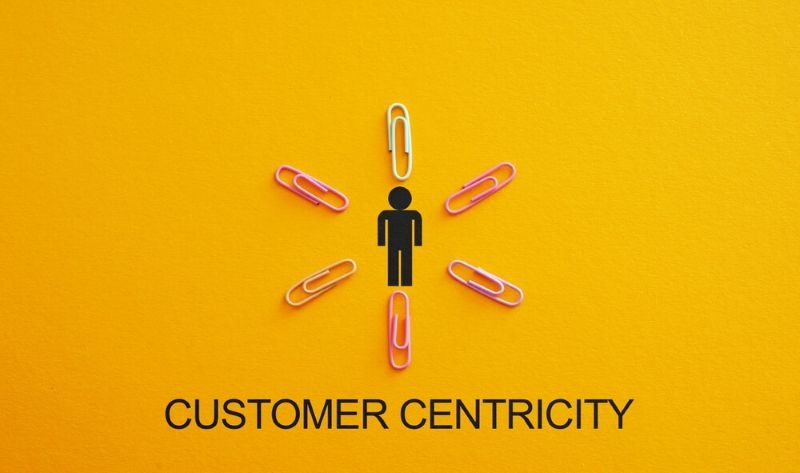
Many companies say customers come first. Fewer actually build systems around that idea. Building a customer-centric business means decisions are shaped around customer needs, not only internal convenience.
Sounds obvious. Yet businesses often optimize for themselves instead.
Let Customer Needs Influence Decisions
A business that actually puts customers first listens before changing things. If shipping complaints spike, get the tracking info right before tweaking anything else. If checkout feels complicated, simplify it.
Too many brands chase trends while ignoring everyday problems sitting in front of them.
Give Employees Room to Solve Problems
Rigid scripts? They just frustrate everyone, both customers and support teams.
Give employees room to actually fix problems, and people feel like they matter. Faster solutions usually create stronger impressions than polished apologies.
Smart Customer Journey Mapping Tips for Better Experiences
Brands often guess what customers feel. Journey mapping removes some of that guessing. Good customer journey mapping tips help businesses understand what customers experience before, during, and after buying.
Identify Every Major Touchpoint
Look at the entire customer journey—every step.
There are several common pitfalls throughout the entire customer journey that may accompany websites, as well as services associated with websites.
The major trouble spots include:
- Visiting the website
- Product Research
- Completing Checkout
- Delivery Tracking
- Customer Support Interaction
- Returning Products
Pay Attention to Emotional Friction
Not every issue is technical. Confusion, uncertainty, waiting too long — emotional frustration matters too. Customers may leave because something simply felt annoying.
Useful Tools for Improving Customer Experience in Daily Operations
Technology cannot replace human effort, but good systems help.
The best tools for improving customer experience remove confusion and speed things up. Still, tools only work if businesses actually use the information properly.
Customer Feedback Platforms
Feedback software helps gather reviews, surveys, complaints, plus customer opinions in one place. Patterns become easier to spot. You catch patterns and fix problems before they snowball.
CRM Systems That Track Customer History
Nobody likes repeating their story. Good customer relationship tools help teams pick up right where the last conversation ended—whether it’s a past order or a service issue. That saves time and reduces frustration.
Don't Miss: Why Business Strategists Are Vital in Crisis Management
Conclusion
Loyal customers are rarely created overnight. It happens slowly — one good interaction at a time, then repeated enough that trust becomes habit. Price matters, yes, but people leave expensive brands and cheap ones every day because the experience feels wrong.
A smart customer experience strategy reduces effort, builds confidence, plus makes customers feel understood without trying too hard. Brands that stay consistent usually win.
FAQs
How long does it take to build customer loyalty?
There’s no set answer. Some people stick around after a couple of solid interactions, others need time—sometimes months. What really counts is showing up consistently.
Can small businesses improve customer experience without big budgets?
There are a lot of upgrade possibilities that can be accomplished with little or no cost; providing fast responses, a clear explanation of information, a quick and hassle-free return process, and a friendly follow-up after the initial sale will leave customers with a good lasting impression about a business.
Why do customers leave even after good service?
Even when the service is decent, other things can throw people off. Maybe the product arrives late, the quality disappoints, the website’s a mess, or there are sneaky fees. Good service alone can’t always overcome those headaches.
Does personalization always improve customer experience?
Many customers appreciate the benefit of receiving personalized attention in the form of their needs and preferences being met; however, they do not necessarily appreciate being "followed" by an onslaught of tracking their every move or behavior.
This content was created by AI