How to Start a Dropshipping Business From Scratch in 2026?

Key Takeaways
- You don't need to buy or store inventory to run a dropshipping business.
- Most beginners can realistically start with $100 to $500.
- Shopify and WooCommerce tend to be the best platforms for dropshipping newcomers.
- Pet products, fitness gear, and eco-friendly items are performing well right now.
- A trustworthy supplier matters way more than a pretty store theme.
- The real work is in marketing, not just finding stuff to sell.
Alright, let's talk about starting a dropshipping business, because honestly, it's still one of the more forgiving ways to dip your toes into online selling. You're not mortgaging your future on a garage full of unsold inventory. The basic idea is this: you list a product, someone buys it, and a supplier ships it out while you never once touch the box. Sounds almost too easy, right? It kind of is and kind of isn't. Pick the wrong supplier or chase a saturated niche, and you'll burn through your budget fast. Let's get into what actually makes this work.
What is a Dropshipping Business?
Think of it as retail with no warehouse attached. You put a product up for sale on your site, and the moment someone buys it, your supplier boxes it up and ships it directly to them. You never lay eyes on the actual item.
That's basically the whole draw. No bulk stock purchase upfront, no storage unit eating into your budget, nothing piling up in a spare room. Someone else handles the messy logistics part while you run the front end.
What is the Dropshipping Business Model?
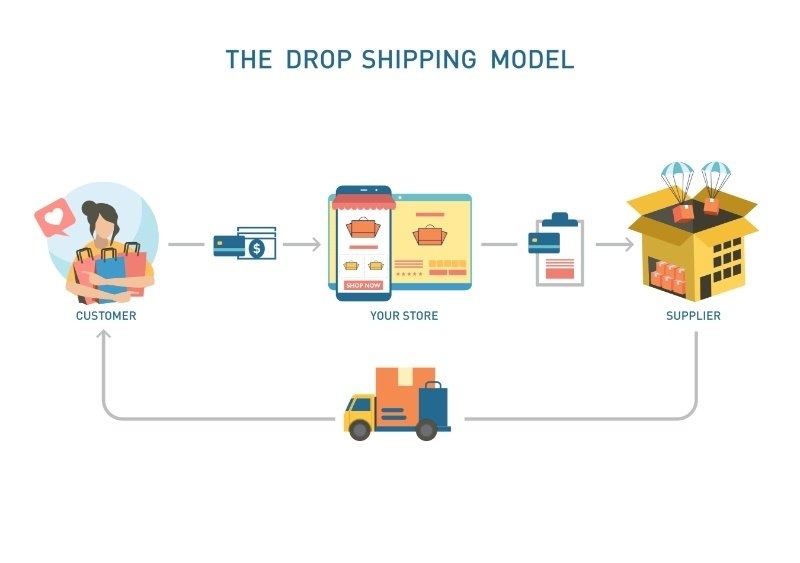
The dropshipping business model works because it splits the job three ways. You handle the marketing and set the price. Your supplier makes the product and ships it out. Your customer pays up and, if you've done things right, leaves you a decent review.
Where does your profit come from? It's just the gap between what you charge and what the supplier bills you. And since you're not paying for inventory ahead of time, your financial exposure stays fairly small, which is a big part of why this model attracts so many first-timers.
| Party | What they actually do |
| Seller (you) | Marketing, pricing, customer support, forwarding orders |
| Supplier | Manufacturing, packing, shipping |
| Customer | Buys, receives, reviews |
How Much Money Do You Need to Start Dropshipping?
This is usually the first thing people want to know, and fair enough. Nobody wants to blow their rent money on a store that never takes off. So, how much money do you need to start dropshipping?
In most cases, $100 to $500 gets you a lean, workable launch. That budget stretches across your website platform, a domain, and a bit of cash to test which products actually move.
Here's roughly how that adds up:
- E-commerce platform: $29 to $79 a month
- Domain name: $10 to $20 a year
- Product samples: $20 to $50
- Test ad spend: $50 to $200
- Business registration, if you need one: $50 to $300
Yeah, costs climb once you start scaling ads. But getting off the ground doesn't take a fortune, and that's kind of the whole point.
Must Try: Customer Service vs Customer Experience: What's Different?
Best Platforms for Dropshipping in 2026
Your platform picks shapes almost everything that comes after it. How easy the setup feels, which suppliers you can plug into, and even how smooth checkout is for your customers. It's worth slowing down on this choice.
| Platform | Good for | Standout feature |
| Shopify | Beginners who want it all handled | Massive app store for suppliers |
| WooCommerce | Anyone already on WordPress | Full control, lower monthly cost |
| Amazon | Sellers who want built-in traffic | Millions of existing shoppers |
| Etsy | Handmade or print-on-demand goods | Strong organic discovery |
Shopify usually wins for beginners since supplier apps like Spocket or AliExpress connect with barely any hassle. If you'd rather dodge monthly fees and don't mind a bit more of a learning curve, WooCommerce is worth a look.
Profitable Dropshipping Niches Worth Your Time
Not every category is worth your energy. Some are so crowded that margins get squeezed down to almost nothing. So which profitable dropshipping niches are genuinely worth chasing this year?
A handful that keep holding up:
- Pet accessories and grooming tools
- Home fitness and recovery gear
- Eco-friendly household products
- Smart home gadgets
- Skincare tools and beauty accessories
See the pattern there? These are niches full of buyers who actually care about what they're getting, the kind who come back for round two instead of just grabbing whatever's cheapest.
A Few Dropshipping Business Ideas to Test First
Still not sure what to sell? Here are some dropshipping business ideas that don't require reinventing anything:
- Personalized pet stuff with custom names or designs, pretty much that vibe
- Reusable, eco-aware kitchen items and tools
- Small storage organizers for a home office setup, so everything stays in place
- Car accessories like phone mounts and related holders
- Camping and outdoor equipment for those weekend getaways
Don't put all your chips on one idea right away. Test two or three at once instead. You'll figure out what clicks faster, and you won't lose everything if one flops.
Step-by-Step Guide: How to Start a Dropshipping Business
Okay, let's get into the actual mechanics. Here's how to start a dropshipping business without overthinking every single move.
- Pick a niche: Go for something people want again and again, not a one-off novelty item.
- Choose your platform: Shopify or WooCommerce will cover most beginners just fine.
- Vet your suppliers: Order samples yourself before committing. Trust me on this one, it saves real headaches down the line.
- Build a simple store: Keep it fast, clean, and mobile-friendly. Resist the urge to overdesign.
- Work out your margins: Factor in platform fees, ad spend, and shipping before you lock in prices.
- Start marketing: Social media and small paid tests are usually the cheapest way to learn what works.
- Watch the numbers: Drop what's flopping, and put more behind what's actually converting.
Don't skip the supplier vetting step to save time. A cheap product that ships late ends up costing you way more in refunds and bad reviews than it ever saved.
Final Thoughts
A dropshipping business isn't some overnight jackpot, no matter what the ads on your feed try to tell you. It rewards people who pick a niche they genuinely understand, take supplier vetting seriously, and actually show up for the marketing side of things. Keep doing that consistently, and there's still plenty of room to build something real in 2026.
Also Read: What is a Price Skimming Strategy & How Does it Work?
FAQs
1. Do I need a business license or an LLC to start dropshipping?
Not really, at least not on day one. Most people just start as a sole proprietor and sort out an LLC later, once the money coming in actually justifies the paperwork and the tax perks.
2. How long does it usually take to turn a profit?
Honestly, it depends, but two to four months of testing products is pretty normal before something clicks. The biggest mistake I see is people giving up too soon instead of just sticking with it.
3. Can I run a dropshipping business through TikTok or Instagram?
Yeah, and a lot of sellers skip building a full website altogether these days. You can tag products right in your posts or just link out to a simple landing page, with way less setup involved.
4. What's the difference between dropshipping and affiliate marketing?
Basically, with dropshipping, you set your own prices and own the customer relationship, start to finish. Affiliate marketing just pays you a commission for sending someone else's traffic over, with less control but also less hassle.
5. How do I handle refunds and returns if I never touch the product?
This really comes down to what you agree with your supplier upfront. Some will deal with returns on their end, but plenty expect you to field the complaints yourself and sort out refunds or swaps after.
6. Is dropshipping still profitable in 2026?
Yes, but competition has definitely gotten stronger. In 2026, winning tends to depend less on finding some “magic item” and more on your niche selection, how reliable your supplier is, and how seriously you manage marketing plus customer support.
This content was created by AI