Proactive vs Reactive Customer Service: Which Approach Wins?


Key takeaways
- The distinction between proactive and reactive customer service is based on whether the company satisfies its customers' requirements before an issue occurs or reacts once the customers get in touch.
- A proactive approach to customer service would include a combination of preventive assistance and prompt problem-solving.
- Companies can ensure customer retention through proactive customer service, as well as maintaining good reactive customer service.
The expectations of customers have drastically evolved. Not only do they want companies to fix problems swiftly, but they also prefer those that know about their needs even before the problem becomes an issue for them. This is why the discussion of proactive vs reactive customer service has never been more relevant.
The classical way of providing customer support is based on addressing the issues of the client immediately as they occur. Although reactive customer service is extremely important, using it only as a method of addressing clients' needs means always solving their problems rather than helping them prevent them.
Proactive customer service, however, centers on recognizing problems before they arise, offering helpful information, and assisting customers even when they have not asked for any help. The best organizations do not pick one over the other; rather, they use both approaches together to provide a holistic customer support strategy.
What is the Difference Between Proactive and Reactive Customer Service?
The main difference is based on one question—who takes the action first?
Proactive customer service is when the business itself takes some actions ahead of any customer complaints. The company uses customer data, customer feedback, customer behavior, and communication channels to find out potential issues and resolve them.
Thus, the business might inform customers about updates to services, provide onboarding materials, and give instructions before the user gets confused about something.
Reactive customer service happens when a customer contacts the business through a channel asking for a solution. Support specialists investigate the problem and try to offer a solution to it.
Some examples include handling a support request, solving billing issues, fixing technical problems, and others.
Also Check: How the Halo Effect Shapes Brand Loyalty and Trust Today
Understanding Reactive Customer Service and its Role
The reactive customer service strategy has usually been the basis of all customer support systems.
Customers notice an issue and reach out to the company for a timely response.
It is highly effective in cases where problems can be unpredictable. All customers have individual cases, and there are issues that need a unique solution to resolve.
Examples of reactive customer service are:
- Dealing with customer complaints using emails, chats, or calls.
- Helping customers troubleshoot any problem with their purchases.
- Issuing refunds or replacing products.
- Dealing with questions customers may have.
- Handling issues related to accounts or payments.
Effective reactive strategies will require fast reactions, experienced staff members, and effective processes. Those firms that have implemented an effective proactive customer support strategy will also need to confront the issue of reactive customer support, since some issues cannot be foreseen.
On the contrary, those firms that depend solely on reactive strategies will have many tickets, long waiting periods, and unhappy customers.
Proactive Customer Support: How It Enhances Customer Experience
Proactive customer support changes the traditional perception of customer support by considering prevention instead of solutions alone.
While traditional customer support deals with problems and tries to rectify them only after they have occurred, preventive customer support seeks out the sources of such problems and helps customers before they become frustrated. It guarantees smoother navigation for the customer and also informs customers about how much their needs matter to the company.
Some of the examples of preventive/proactive customer support are:
- Notifying customers of existing disruptions to services.
- Educating customers about products after purchasing them.
- Reminding customers of deadlines approaching soon.
- Reaching out to customers who require more help.
- Guiding customers depending on their behavior.
For instance, informing a customer about a complicated product he or she purchased, with advice on how to use it before frustrations arise, will be of great help.
Companies that learn how to provide proactive customer support make use of customer feedback, analytics, automation, and communication tools.
Proactive vs Reactive Customer Service: Pros and Cons
When discussing the pros and cons of proactive and reactive customer service, each model has its own benefits and drawbacks.
Pros of proactive customer service
The greatest strength of proactive customer service lies in preventing an issue from turning into a bigger problem.
Pros include:
- Decreased customer frustration.
- Decreased number of tickets.
- Customer trust.
- Customer satisfaction.
- Better relationships.
Because there will be fewer recurring problems, the support team can use their time to solve the more complicated cases.
Customer retention is another benefit of proactive customer service. Customers will tend to stay loyal to the brand if it gives them a useful experience without making them keep asking questions.
Proactive customer service limitations
There are several advantages in implementing proactive service; however, the implementation is based on proper planning and understanding of customers and systems.
Misplaced messages and inappropriate communications can burden clients. It is also important for firms to have precise data to make proactive activities beneficial.
Reactive customer service benefits
Through reactive customer service, businesses can react to actual problems of customers.
Advantages:
- Quick reaction to urgent problems.
- Tailored problem solving.
- Flexibility.
- Obtaining feedback from the customer.
Moreover, customer complaints may provide additional information on how to improve products and services of a business.
Reactive customer service limitations
The biggest problem of being reactive in customer service is the frustration customers feel before reaching out to the company. If the response time is long or the solution is vague, the customer satisfaction of the customers could be compromised. A reactive approach will definitely increase the number of tickets.
Must Read: Customer Service vs Customer Experience: What's Different?
How Does Proactive Customer Support Improve Customer Experience?
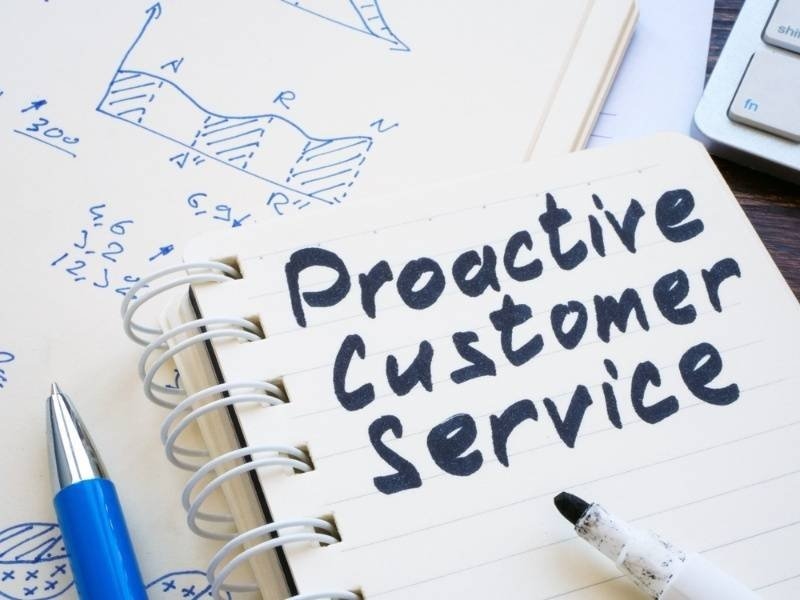
Consumers like it when companies make the process of interacting with them easier for them.
If companies anticipate the needs of consumers by providing them with information, updates, and guidelines before the customers request them, they are saving time and making customers feel appreciated.
For instance, when consumers receive an update regarding the delayed delivery of their product before they contact support, chances are higher that they will have a positive impression of the experience.
An improved customer experience results from minimizing uncertainty.
Proactive Customer Service Strategies Businesses Can Use
Proactive customer service strategies do not mean that all support processes need to be changed at once. There are ways businesses can take small steps, starting with analyzing existing customer problems.
Some strategies that can be used include:
Analyze customer behavior
In any customer interaction, there are patterns. Looking through tickets, feedback, or FAQ can help you see what the problems may be.
Improve onboarding process
Customers often encounter problems because they do not understand how to use a particular product or service. It is better to give some information in advance.
Provide automated notifications
It will help inform customers about different situations, whether it is a delay, renewal of some service, or another situation.
Feedback collection and implementation
Customer feedback can be the richest resource available for enhancing the support system. Organizations will be able to recognize recurring problems and fix them before they impact other customers.
Support team training
The support agents must be trained in order to recognize customer needs and provide them with more than just a solution.
How to Balance Proactive and Reactive Support?
The idea is not to do away with reactive customer support. Instead, businesses need to find the correct balance between prevention and reaction.
A good customer support strategy will involve the use of proactive measures to deal with known problems as well as reactive strategies to handle unique cases.
For instance, an organization can provide its customers with information that helps prevent known queries but also maintain a customer service team to deal with complex cases.
Conclusion
Proactive vs reactive customer service is not a rivalry; it’s just about timing. Try to prevent problems that are predictable and respond as fast as possible to problems that are unpredictable. Use your real support data to decide in each case whether proactive or reactive customer service is the better choice.
Customer retention is a byproduct of fewer surprises and better recoveries. The best teams at the strongest companies are able to warn their customers of potential problems before they occur, fix the urgent issues that do occur quickly, and learn from every contact reason. The support becomes far less expensive and much more trusted.
FAQs
1. What are the benefits of proactive customer service?
Advantages of proactive customer service are fewer complaints, higher satisfaction, lower support volume, and better customer relationships. By addressing issues before they become customers' problems, companies can facilitate their work.
2. What is a simple example of proactive service?
A simple example of it is a delivery delay notification to inform the customer before he contacts them. The message should clearly state the reason for the delay, state the new expected delivery date, and finally describe the next step of action (track, reschedule, store credit, etc. or even a simple link to contact customer support).
3. How do I know if my team is too reactive?
If the same questions are flooding your ticket volume every week, chances are your team is too reactive. Measure repeat contacts, avoid “where is my order”-like issues, avoid long wait times post-incident, and update requests that your team already knows internally have been addressed.
4. Can small businesses use both approaches?
Using automated order emails and small business renewal reminders, FAQs, and even manual communication with high-risk customers, you can start to provide customer service without expensive software. Later, as your business volume grows, you can look to add in live chat or help desk rules to your customer service.
5. Proactive vs reactive customer service: which is better?
will depend on circumstances. A proactive approach to solving problems will be more beneficial for preventing known situations, while a reactive approach will be useful for unknown ones.
This content was created by AI