Pros and Cons of Brick and Mortar Vs. Online Retail Sites

Key Takeaways
- You can't beat actually holding a product before you pay for it — photos only tell you so much.
- A good sales associate can save you from buying the wrong thing, especially with anything technical.
- Stores are limited by shelf space and rent, so prices and selection both take a hit.
- Online retailers usually beat stores on price and selection since they're not paying for a building full of stuff.
- What you save in convenience online, you often give up in hands-on testing and quick help when something goes wrong.
Pros and Cons of Brick and Mortar vs. Online Retail Sites
I don't think anyone's shocked that online shopping has taken over a huge chunk of how we buy things. Groceries, gifts, and replacement chargers for the charger you lost last week — it all shows up at your door now, no parking lot required. But brick-and-mortar stores are still hanging around, and not just out of habit. Each way of shopping has its own strengths and its own annoyances, and honestly, most people end up using both depending on what they're buying. Here's a straightforward look at how they compare.
Brick-and-Mortar Stores: Pros and Cons
Physical stores are still very much a thing in 2026, even with e-commerce chipping away at their market share every year. So when's it actually worth getting in the car?
1. You Get to Try Before You Buy
This is the big one. You can sit on the couch, feel the fabric, check if the TV actually looks as good in person as it did in the ad. For anything expensive — furniture, appliances, mattresses — that kind of hands-on check can save you from an annoying return a week later.
2. There's Someone There Who Actually Knows Stuff
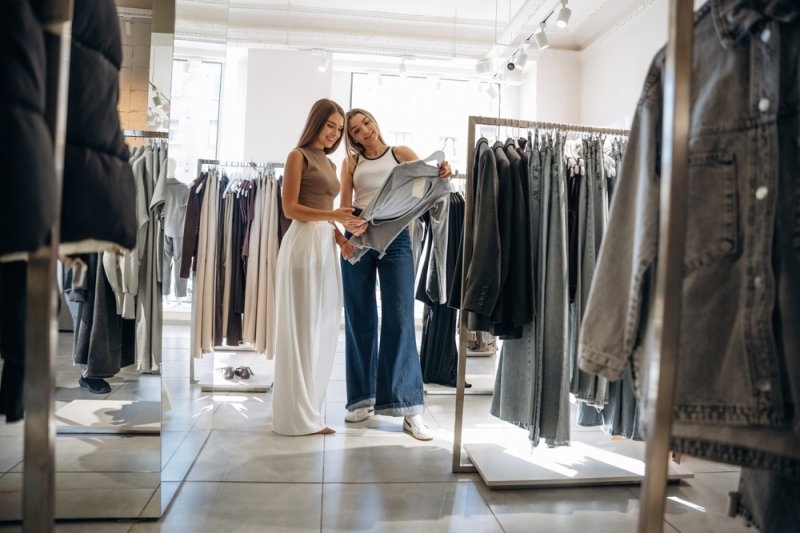
Stood in front of a wall of laptops with no idea what half the specs even mean? That's what a decent sales associate is for. They can compare options on the spot and steer you away from something that isn't actually right for you, no twelve open browser tabs needed.
3. What's On the Shelf Is All You Get
Stores can only stock so much. If they're out of your size or the colour's wrong or they just never carried that model, you're stuck — either waiting on a special order or driving somewhere else. Compared to scrolling an online catalogue, it feels pretty small.
4. Someone's Paying the Rent, and It's Kind of You
Lease, lighting, staff standing around to help — none of that is free, and it usually shows up in the price. If you're chasing the lowest possible price, a physical store usually isn't where you'll find it.
Top Pick:How You Can Choose the Best Online Car Insurance?
Online Retail Sites: Pros and Cons
E-commerce keeps growing, but the trade-off hasn't really changed much — you're getting convenience and price and giving up a bit of certainty and personal service.
1. Prices Are Usually Friendlier
No shopfront to maintain means online retailers can often price things lower, and a lot of that savings gets passed to you. It's a big reason people default to searching online first when money's tight.
2. The Selection Is Basically Endless
Online stores aren't boxed in by shelf space, so you get way more colours, sizes, and niche stuff than you'd find hopping between physical stores. If you want something specific or a little weird, online's usually where you'll actually find it.
Must Read:How Can You Improve Credit Score Quickly and Safely?
3. You're Kind of Buying on Faith
No number of product photos fully replaces holding the thing. Fit, texture, actual size — you often only find out once it's sitting on your doorstep, which is exactly why online returns happen so often.
4. Good Luck Getting Real Help Fast
Scaling an online store is one thing. Staffing it with people who can actually troubleshoot your problem is another. A chatbot just isn't the same as a person standing in front of you, and that gap gets pretty obvious the second something goes wrong with your order.
Conclusion
Whether you're out shopping or online, retail outlets have pros and cons. A brick-and-mortar store allows customers to experience the product and have a salesperson present who can answer questions, but the store may have a limited selection of products and they may cost more. Online retail websites tend to be cheaper and offer a more extensive range of products, but consumers can't touch and feel the items before buying them. Finally, any choice of store to shop at should be taken in accordance with what the individual requires and loves.
Frequently Asked Questions
What's the biggest difference between shopping in-store and shopping online?
Mostly it's about your senses. In a store you can touch it, try it on, and actually test it. Online you're trusting photos and reviews — faster, usually cheaper, but there's more room for a surprise when the box shows up.
Is online shopping always cheaper than buying in a physical store?
Not always, though it usually leans that way. Online retailers skip rent and a lot of staffing costs, so prices tend to be lower. But add in shipping, possible return fees, or a great in-store clearance sale, and that gap can shrink fast — sometimes it flips entirely. Worth doing the math before you assume online wins by default.
Why might it make more sense to buy something big in person?
For big-ticket stuff — furniture, a mattress, electronics — being able to check the size, the comfort, and how it actually performs can save you from a costly mistake and the hassle of shipping it back. You also get someone to walk you through warranties and features right there, which no FAQ page really replicates.
Do physical stores still matter in 2026 when so much shopping happens online?
They do. A lot of people mix both now — research online, buy in-store, or browse in a store and then buy online later for a better price. Stores also win on instant gratification. No waiting on a delivery truck; you just walk out with it.
What should I do if an online store's customer service isn't great?
Check the return policy and support options before you buy, not after something's already gone sideways. Look for live chat or phone support, and skim recent reviews that specifically mention service. If it's something complicated you'll need help using later, that's a decent sign to just buy it from a store instead.
Can I get the best of both by mixing online and in-store shopping?
Plenty of people already do this without thinking too hard about it. Research online, read a few reviews, then go see your top picks in person — or test something out in a store and buy it online afterward if you can find it cheaper. You get the hands-on check and the expert advice, without giving up the chance to shop around.
This content was created by AI