Best Photography Tips for Stunning Travel and Nature Shots

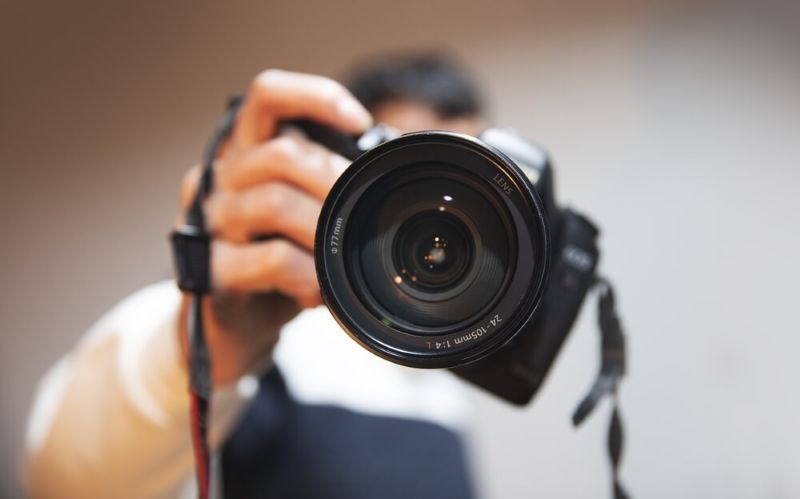
Photography’s not just pointing your camera and pressing a button. You chase the right moment, watch how the light falls, and try to tell a story in a single frame. Whether you’re shooting with your phone or a fancy camera, knowing a few smart tips really changes how your photos turn out.
This guide covers essential tips—good for beginners, but also for anyone curious about travel, landscape, or wildlife photography.
Basic Photography Tips Everyone Should Know
Start with the basics. If you want to get better, nail the foundations first. That’s what builds your confidence, no matter what camera you use. Here are some of the best photography tips:
- First off, get to know light. Natural light’s usually your best friend, especially early in the morning or late in the afternoon. That softer light gives your pictures warmth and depth. Try to avoid shooting in the harsh midday sun—colors get washed out, and shadows turn harsh.
- Composition matters too. Think about the rule of thirds: imagine a grid on your screen and move your subject a bit off center. It’s a simple trick, but it makes your photos feel more dynamic. Also, scan your background. A clutter-free background keeps all eyes on your subject.
- To keep things sharp, steady your hands. Hold your camera with both hands, lean against something sturdy, or even hold your breath for a second. Little habits like these keep your shots crisp.
And honestly, nothing beats practice. You don’t need to know all your camera settings right off the bat. When you’re just getting started, there’s nothing wrong with using auto or semi-auto modes. It lets you focus on what’s happening in your shot and when to capture it, instead of stressing over every little camera setting.
You May Like to Read: Why Omnichannel Marketing is a Guide for a Customer’s Journey?
Photography Tips for Beginners to Build Confidence
Jumping into photography feels overwhelming at first, no doubt. But you really don’t have to master every single camera setting from day one. Relax and just start shooting.
- Once you feel comfortable, start playing around with manual settings—ISO, shutter speed, aperture.
- Don’t be afraid to mess up. Look back at your photos and notice what didn’t work—maybe it’s too dark, or the framing feels off. Every mistake teaches you something.
- It helps to focus on one subject at a time. Instead of shooting everything you see, pick a theme for the day—people, buildings, or nature. It sharpens your focus and gets your creativity flowing.
- Find inspiration in others. Join a photography group online or follow photographers you admire. Studying their work is a shortcut to getting better.
Travel Photography Tips for Meaningful Memories
When you’re traveling, photos are about more than just checking off famous sights. You want to capture the mood of a place. Research your destination ahead of time—know the cool views, the local culture, and the best hours for light. Early mornings are great; the streets are quiet, and the light is gentle.
- Include people in your travel shots. Locals just living their lives bring emotion and authenticity. Always be polite—ask before taking someone’s photo.
- Travel light. Too much gear just slows you down. Bring one handy lens or stick with your phone so you’re ready for anything.
- Look past the obvious tourist spots. Wander into side streets, explore markets, and notice the small details. That’s where the real stories are.
And don’t forget to back up your photos as you go. Tech glitches happen, and you don’t want to lose those memories.
Suggested Read: Key Metrics for Real-Time Analytics in Customer Experience
Landscape Photography Tips for Capturing Nature at Its Best
Nature never runs out of surprises, but turning all that beauty into a photo takes some planning—and a bit of patience. If you want your landscape shots to stand out, a few simple tips can make a big difference.
- First, pay attention to the light. The hours around sunrise and sunset—people call them the golden hours—bathe everything in warm, soft colors. Shadows stretch out, and the whole scene comes alive. Checking the weather helps too. Clouds, fog, or even a bit of mist can turn an ordinary landscape into something special.
- Think about how you frame your shot. Leading lines—like a winding road, a fence, or a river—pull people into the photo. Add something interesting in the foreground, and suddenly your landscape feels bigger and more real.
- Bring a tripod if you can. It keeps your camera steady, especially when the light’s low or you’re using a slow shutter speed.
- And don’t just stick to wide shots. Get close. Look for patterns, textures, or small details that most people miss. Those little scenes often turn out to be your favorite photos.
Above all, be patient. Wait for the light to change, or for the right moment to come together. Sometimes it’s the waiting that gives you the shot you really want.
Wildlife Photography Tips for Real, Natural Shots
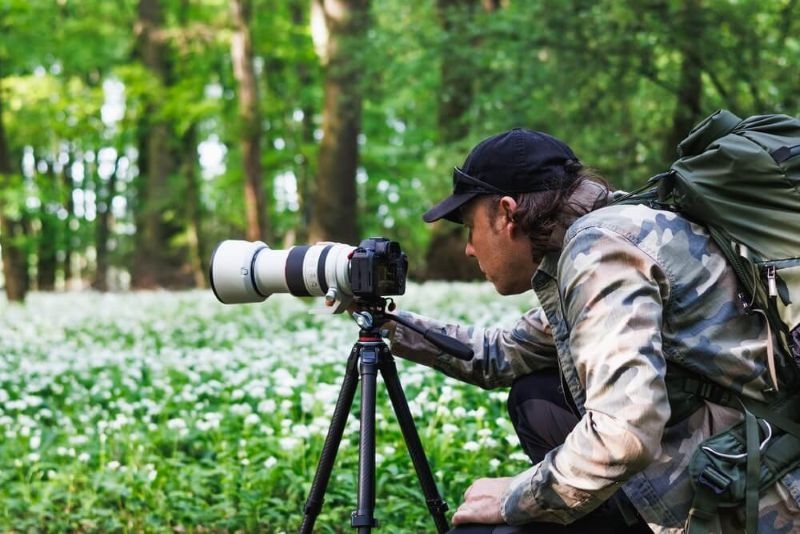
Wildlife photography is tough, no doubt about it—but catching animals in their element is worth every effort. The best advice is to be patient. Watch. Respect the animals and the environment.
- Never get too close—your zoom lens is your friend. Keeping a safe distance keeps everyone safe, and animals act more naturally when they’re not spooked.
- Learn about the animals you want to photograph. When do they move? Where do they like to eat or rest? The more you know, the easier it is to spot those perfect moments.
- Use a fast shutter speed. Animals don’t wait for you to get ready—they just move. Set your camera to shoot in bursts, and you’re more likely to grab that split-second action.
- Try to blend in. Neutral colors, slow movements, and staying quiet help you get close without disturbing the scene.
And yeah, it comes back to patience. Sit still. Wait. Let the animals come to you. The best photos happen when you’re willing to stick it out.
Simple Editing Tips for Better Photos
Editing’s just part of the process now. Small tweaks can make a good shot even better—just don’t overdo it.
- Start by playing around—adjust the exposure, mess with the contrast, fix up the colors. You’ll see pretty quickly how much a few tweaks can change your photos. Skip the heavy filters. They usually just make things look fake.
- Don’t be afraid to crop. Cutting out distractions around the edges helps your subject stand out.
- Stick to a consistent editing style, especially if you’re posting online or putting together an album. It pulls your work together and makes it look more professional.
But remember: editing can’t save a badly composed shot. Get things right in the camera first—fixing mistakes later never feels the same.
Recommended Blog: Employee Onboarding Process with a Real Training Plan
Conclusion
If you want to take better photos, just get out there and give it a shot. Try different angles, mess around with your camera, look for things that catch your eye.
Maybe you’re on vacation, maybe you’re chasing that golden hour glow, or just wandering around the neighborhood—doesn’t matter. What matters is using your camera to tell a story, your story.
FAQs (Frequently Asked Questions)
How long does it take to get better using these tips?
If you practice regularly, you’ll start seeing improvement within a few weeks.
Do beginner tips still help advanced photographers?
Absolutely. Even pros go back to the basics from time to time.
What’s the best camera for travel photography?
Honestly, a lightweight camera—or even your phone—works great. Travel photos are more about timing and the story you’re telling than the gear you use.
Is editing necessary for landscape and wildlife shots?
A little editing helps bring out the light and color, but the real magic happens when you get the shot right in the first place.
This content was created by AI