LLC vs Sole Proprietorship: How to Choose the Right Fit?

Building a business requires making immediate structural choices before any actual money changes hands. Founders often freeze up when staring at confusing state tax forms, wondering whether they should file formal paperwork or just start selling their products immediately. Making the wrong structural choice early on leaves personal assets completely exposed to brutal lawsuits or triggers massive, unnecessary tax bills at the end of the year. Getting the legal foundation right from day one dictates how the government views the income, how banks evaluate credit applications, and how much personal risk the founder carries every time they interact with a customer.
Must Read: How to Start a Dropshipping Business From Scratch in 2026?
What is a Sole Proprietorship?
This is the absolute default state of doing business in the country. If someone launches an e-commerce storefront selling oversized rose gold t-shirts and processes a single credit card payment without filing any corporate paperwork, the local government automatically classifies them under this category. Sole proprietorship means the business and the human being are the exact same legal entity in the eyes of the law. There is zero separation between the company merchant account and the founder's personal savings. While it makes launching an operation incredibly easy and free, it carries a massive hidden risk.
Top Pick: Customer Service KPIs for Smarter Support Team Performance
What is an LLC?
To escape that terrifying legal liability, owners turn to formal state registrations to build a barrier. LLC stands for Limited Liability Company, and it functions as an invisible legal shield between the operator and the public. When the state approves the organization paperwork, it creates a brand new, distinct legal entity completely separate from the founder. On paper, the state treats the registered company as a separate entity. It holds the building lease, applies for the credit lines, and takes the direct hit on any lawsuits. When a venture runs out of cash and defaults, angry vendors can only repossess what the business actually owns. They cannot touch a founder's private savings account to cover the remaining debt.
LLC vs Sole Proprietorship: What are the Key Differences?
Picking between these two setups completely changes how the government taxes the revenue and handles legal disputes. Reviewing the contrasting elements helps founders avoid awful financial mistakes that crush growing companies.
1. Asset Protection Levels
Unincorporated founders put their personal bank accounts at risk every single day they operate their business. Forming a proper corporate entity builds a solid legal fence around personal savings, ensuring a bad commercial contract does not bankrupt the owner.
2. Tax Filing Complexity
Unregistered operators handle taxes by dropping a Schedule C directly onto their standard 1040. There is no separate corporate return to worry about in April. Once an owner registers with the state, they must start dealing with heavier IRS requirements and categorizing every single business purchase to survive a potential audit.
3. Outside Investment Appeal
Angel investors completely ignore unregistered businesses because there is no official corporate equity to physically purchase or leverage. Putting the proper corporate paperwork in place makes it possible to actually issue operating shares and secure serious outside funding.
How to Start a Sole Proprietorship: Step-by-Step
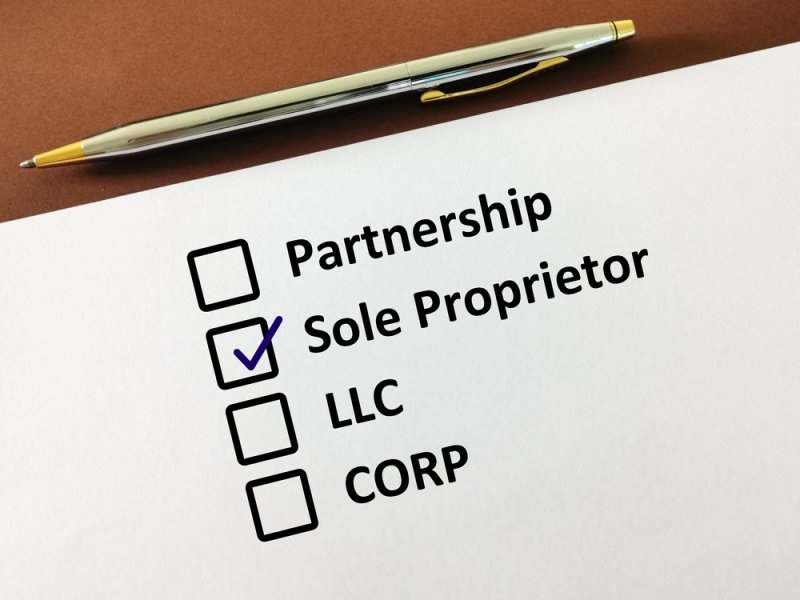
Setting this up requires almost zero friction and allows a founder to start selling products immediately without waiting for state approval. The actual paperwork is practically non-existent unless local municipal laws demand specific retail permits.
1. Pick a Business Name
Operating under a personal legal name requires absolutely no extra steps or fees from the county. Anyone wanting a distinct brand identity to print on marketing materials must file a Doing Business As document with the local county clerk's office.
2. Secure Local Licenses.
Every city operates differently regarding commercial zoning and local retail tax collection requirements. Checking with the local city hall ensures the operation legally complies with basic municipal codes before the very first customer transaction happens.
3. Open a Separate Bank Account
Mixing personal grocery bills with wholesale inventory purchases creates an absolute nightmare for accountants during an audit. Keeping the cash strictly separated in a dedicated checking account makes tracking legitimate deductions drastically easier.
How Much Does it Cost to Start an LLC: Understanding the Factors
Launching this type of legal entity is never free, regardless of what online formation services claim in their advertisements. State governments view these registrations as a massive revenue source and charge operators accordingly.
1. State Filing Fees
Submitting the Articles of Organization carries a mandatory processing charge that varies wildly depending on geographic location. Some states charge a simple fifty-dollar fee, while others demand several hundred dollars just to look at the initial application.
2. Registered Agent Costs
The government requires an official contact person available during normal business hours to physically receive legal documents. Hiring a professional third-party service to handle this annoying requirement usually runs between one and three hundred dollars annually.
3. Ongoing Maintenance Demands
The spending does not stop after the initial paperwork clears the state office and the business officially opens. Many jurisdictions enforce a mandatory yearly franchise tax or annual reporting fee simply to keep the business active and legally compliant.
Conclusion
Deciding on the exact legal structure dictates every financial move the business makes moving forward. Evaluating the LLC vs sole proprietorship debate means looking honestly at the scale of the operation and the physical risks involved. Small, low-risk side projects thrive under the absolute simplicity of unregistered operation.
Frequently Asked Questions
Can an operator switch from an unregistered business to a formal entity later?
Yes, completely. Founders frequently start out testing their market without filing paperwork, then upgrade to a formal structure once revenue hits a certain threshold or liability increases. The transition simply requires filing the standard state organization paperwork, acquiring a new tax identification number, and moving the existing cash into a brand new corporate checking account.
Is a Federal Employer Identification Number required for both structures?
Unincorporated operators can legally use their personal Social Security Number for tax purposes as long as they have absolutely zero employees working for them. Formal corporate entities must apply for a dedicated EIN from the IRS before they can even attempt to open a corporate bank account, run a payroll system, or establish lines of credit.
How does the legal structure impact building business credit?
Unregistered operators rely entirely on their personal credit score to secure funding, which ruins personal debt-to-income ratios. Formal entities can establish their own distinct credit profiles linked strictly to their tax ID, allowing the business to secure massive commercial loans and vendor terms without relying on the founder's personal credit history.
Are there different ongoing meeting requirements for these businesses?
Neither structure faces the brutal corporate formalities required of massive C-Corporations, which is why founders love them. Unregistered owners face absolutely zero meeting requirements or documentation rules.
Can a married couple run an unregistered business together?
The IRS generally views a two-person operation as a general partnership, requiring a completely different, much more complex tax return. However, specific states allow a qualified joint venture classification specifically for married couples, letting them act essentially as a combined unincorporated business without filing formal partnership tax documents.
This content was created by AI